
Homepage / Post
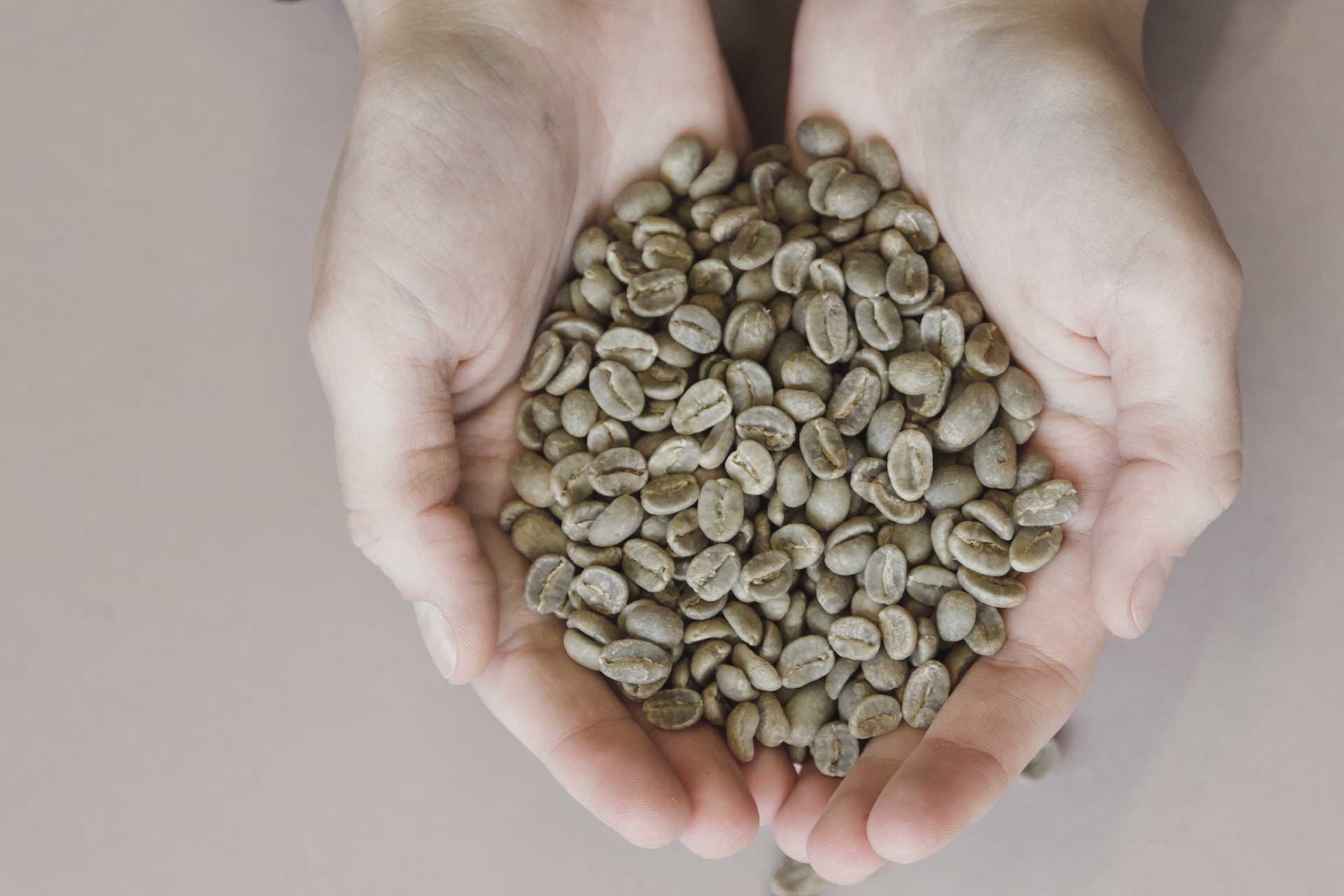
Barrel finishing is not a gimmick. It amplifies and layers flavor, so the beans you start with determine whether the final cup is elegant or muddled. Below is a practical guide to selecting green coffee that will respond well to barrel finishing and deliver repeatable, exciting results.
Barrel finishing transfers wood compounds, spirit residues and subtle oxidative changes into the green bean. That creates vanilla, toasted oak, caramel, and some spice notes after roast. What the barrel cannot do is hide a poor lot. Choose beans that have clean, desirable base flavors so the barrel character can enhance, not replace, origin quality.
Pick lots with clear, recognizable sweetness and a clean cup profile. Bright, clean acidity and sugar-driven sweetness provide a backbone that lets barrel notes sit on top without muddiness. If the base cup is muddy or overly vegetal, barrel finishing will amplify those faults.
Density matters. Denser beans absorb and hold barrel compounds more predictably and roast more evenly. Look for screen size and humidity data. Well-processed beans with consistent fermentation and drying history are less likely to produce off-flavors during aging.
Choose origins whose natural notes complement oak and spirit-derived flavors. Good matches include:
• Cocoa, nut, or caramel-forward lots that gain depth from oak.
• Stone fruit or dried fruit lots that lift when paired with vanilla and toffee.
• Low-to-medium acidity coffees that balance barrel sweetness without harshness.
Delicate floral or highly volatile fruity coffees can lose clarity under heavy barrel influence. If you want to use these origins, aim for minimal aging and lighter barrels, or run short trials to measure impact.
Washed lots tend to retain clarity and show barrel influence cleanly. Natural and honey-processed coffees can work, but they often introduce heavier fruit or fermentation notes. That can either create interesting complexity or turn into a muddled cup, so test first.
Green-bean moisture affects transfer and spoilage risk. Aim for consistent moisture that your roaster and storage conditions can maintain. Too dry limits transfer. Too wet increases microbial risk during aging.
Single-origin lots show how a barrel interacts with an origin’s character, useful for creating signature single-origin finishes. Blends let you design balance: pick a base that gives body and another lot to provide lift or sweetness, then finish to harmonize both.
Match the bean to the barrel type. American oak and whiskey barrels add vanilla and caramel. Sherry casks bring dried fruit and nuttiness. Rum barrels can introduce molasses or tropical fruit hints. Think about which barrel personality will complement the bean.
Always trial in small quantities. Finish a few kilos, roast them to match your control profile, and cup blind against the unaged control. Track variables: barrel type, prior spirit, age, humidity, and time in barrel.
Barrel-aged beans may brown faster. Expect to tweak the roast profile: watch first crack timing and development percentage, and aim to preserve origin clarity while letting barrel notes bloom. Keep roast logs for each barrel batch.
Barrel compounds are stable through roasting, but finished coffees can oxidize differently. Test how the finished roast evolves over days and weeks. Use protective packaging and label the tin with barrel origin and roast date.
Ask green coffee sellers for density, moisture, screen size, and full processing notes. Buy small pilot lots before committing to large purchases. When possible, visit producers or get cupping samples so you understand baseline flavors.
• Choose dense, clean lots with clear sweetness.
• Prefer washed or carefully processed naturals with consistent fermentation.
• Check moisture and screen size.
• Match barrel type to desired flavor profile.
• Run small, documented trials before scaling.
• Log roast adjustments and cupping notes.
• Package to protect against oxidation and label prominently.
Barrel finishing is a partnership between origin and cooperage. Start with high-quality, clear, stable beans and use small, controlled experiments to find the sweet spot where origin character and barrel influence enhance each other. That is how you move from novelty to a repeatable, sellable product.
TN Barrels Coffee invites cafes, retailers, and event hosts to join the TN Barrels partner program. Enjoy a 10% discount on wholesale orders, priority access to limited runs. We handle roasting, packing, and reliable fulfillment so you can focus on serving great coffee.
We’re getting started.
Online orders will open on March 17, 2026, as we finalize our setup. Thanks for supporting TN Barrels Roasting Strong.