
Homepage / Post
Roasting small batches is a different discipline from running large production roasts. It’s where attention to detail pays off, and nuance becomes repeatable flavor. Below is a practical, copy-ready guide with every subheading formatted as H3 so you can drop it into your site or blog easily.
Small batches let you control heat, development time, and consistency. They reduce variation between lots, make it simple to trial barrel finishes, and let you roast to the profile the bean needs rather than to a production quota.
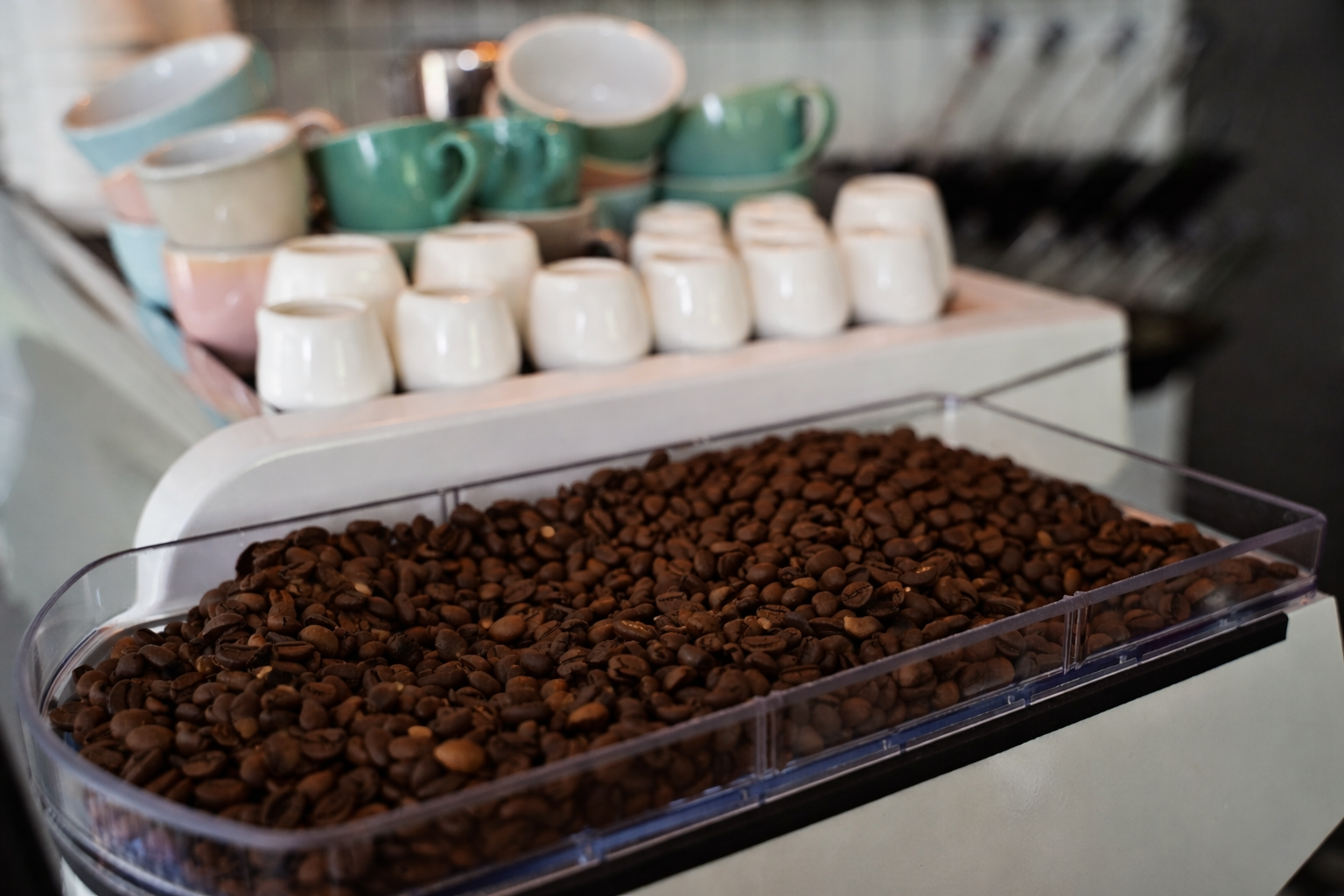
Use a reliable small roaster with accurate temperature readouts and controllable airflow. Keep scale, cooling tray, and probe calibration consistent. Ideally, use a machine designed for 1 to 6 kilogram batches when you want repeatable micro lots.
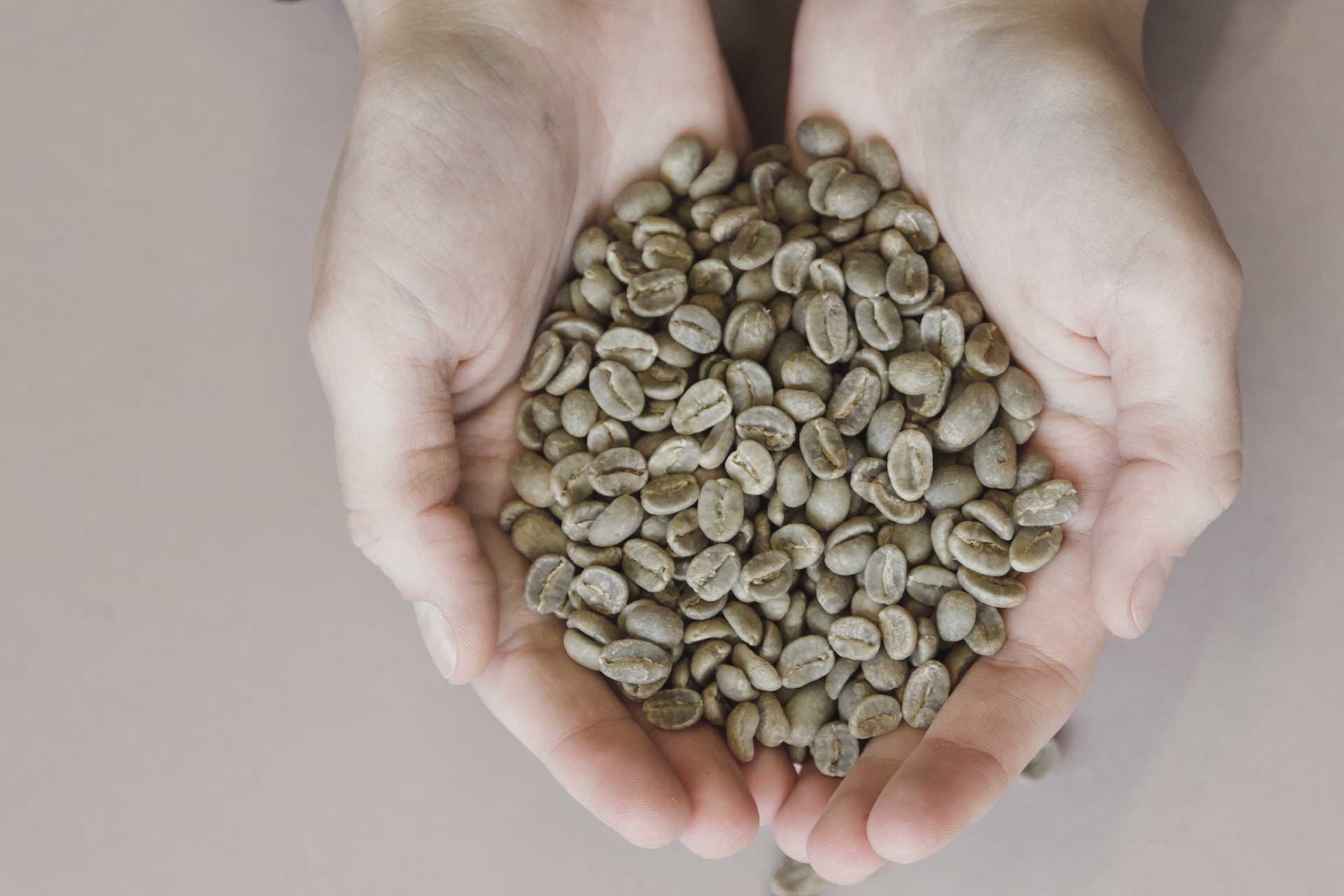
Store green beans in stable conditions. Track moisture, screen size, and origin notes. Bring beans to room temperature before roasting and use consistent batch weights so your roast curves line up every time.
Profile with intention. For small batches, focus on three things: charge temperature, first crack timing, and development time after first crack. Record each roast curve and note how barrel-aged lots change color and behavior compared to unaged controls.
Small batches heat and cool faster. Control the rate of rise so sugars caramelize without burning. Development time after the first crack is where sweetness, body, and clarity are set. Increase development time slightly for barrel-aged beans to let barrel compounds show without losing origin clarity.
Log every roast: machine settings, ambient temp, batch weight, charge temp, first crack time, end temp, and development percent. Use these logs to reproduce winners and refine marginal lots.
Rapid, even cooling stops roast reactions and preserves volatile aromatics. Use a well-tuned cooling fan and spread beans for fast heat loss. After roasting, rest the beans 48 to 72 hours for degassing before packaging or cupping.
Always cup small-batch runs against a control. Taste for roast-related faults, balance, and how barrel notes integrate. Track flavors over days 2 through 21 to understand how the roast evolves.
Barrel-aged green beans can brown quicker due to absorbed volatiles. Dial back high heat phases and monitor first crack closely. Consider slightly lower charge temps or gentler ramps to keep clarity.
Consistency is about repeatable inputs: same batch weight, same charge temp, same airflow settings. Small deviations show up strongly, so tighten every variable you can control.
For small releases, package immediately after recommended rest. Use tins or valve bags with low oxygen headspace. Print roast date and batch notes, including barrel type and aging duration.
When scaling a winning micro-lot, maintain proportional energy input and development percent. Scale-run a few incremental batch sizes and cup each. Never assume a profile will translate linearly from 1 kg to 6 kg.
• Bitter, ashy roast: too much early heat or overdevelopment. Reduce charge temp and shorten development time.
• Muted barrel character: either too short aging or roast flattened the volatiles. Try a gentler roast or longer barrel time.
• Sourness: underdevelopment or inconsistent heat. Increase the development percent and stabilize airflow.
• Inconsistent batches: check bean weight, hopper fill, and machine calibration.
Label every tin with roast date, batch number, roast profile shorthand, barrel type, and aging duration. Traceability helps you diagnose issues and tell a product story to customers.
Small batches cost more per kilo. Keep realistic expectations on margins and use limited releases for pricing that matches the labor and inventory risk. Track loss rates and chaff to measure process efficiency.
• Confirm batch weight and ambient temp
• Use the same charge temp and airflow settings as logged winners
• Monitor first crack and record times
• Apply consistent development percent and cool rapidly
• Rest 48 to 72 hours before cupping or packaging
• Package with roast date and batch notes
Small-batch roasting is where craft becomes a reliable product. The difference between an experimental run and a repeatable release is documentation, small adjustments, and strict control over variables. Keep detailed logs, cup often, and treat each micro-lot as a prototype you intend to scale only after it proves steady.
TN Barrels Coffee invites cafes, retailers, and event hosts to join the TN Barrels partner program. Enjoy a 10% discount on wholesale orders, priority access to limited runs. We handle roasting, packing, and reliable fulfillment so you can focus on serving great coffee.
We’re getting started.
Online orders will open on March 17, 2026, as we finalize our setup. Thanks for supporting TN Barrels Roasting Strong.