
Homepage / Post
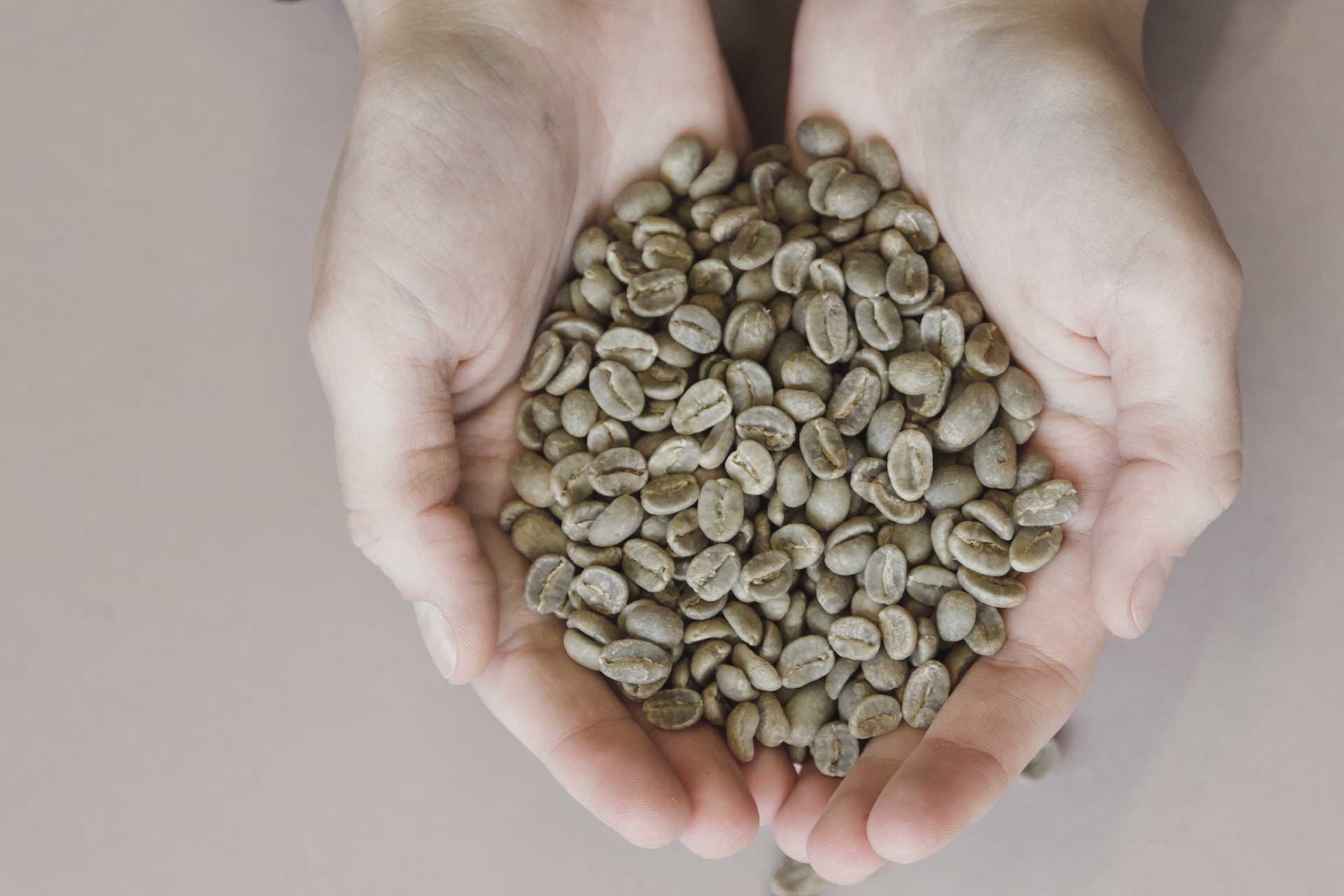
Barrel aging is a real transformation, not a shortcut. When green coffee sits in a used spirit barrel, the beans absorb wood compounds, spirit residues, and experience slow chemical changes that survive roasting. The result is a layered change in aroma, sweetness and mouthfeel that complements origin character when done correctly. Below is a clear explanation of how it works, what to expect, and practical steps for roasters and brewers.
Wood chemistry
Oak contains lignin, tannins and hemicellulose. Volatile compounds in the wood, such as vanillin and lactones, transfer into the beans. Those compounds appear in cup as vanilla, toasted oak or baking spice.
Spirit residues
Used barrels hold esters and aromatic molecules from whiskey, rum, wine or tequila. These residues slowly infuse green beans with subtle spirit-derived notes, perceived as caramel or sweet oak rather than alcohol.
Slow oxidation and aging
Barrels let in small amounts of oxygen and moisture. Over weeks to months this drives slow reactions that change sugar and acid precursors in the bean. Those reactions affect how flavors develop during roast and in the final cup.
Physical absorption
Green beans are porous and absorb volatile compounds. The absorbed compounds remain through roasting, though their character may shift depending on roast level.
Common shifts you will hear in cupping notes:
Note: barrel aging does not magically fix low-quality beans. It enhances and layers character, but origin flaws remain visible.
Start small and document everything
Run small trials, label batches, and record barrel origin, previous spirit, char level, humidity and time.
Cup against a control
Always roast and cup an unaged control from the same green lot to judge what the barrel adds.
Check barrels carefully
Inspect for mold or off-odors. Steam or gently clean if needed, but avoid harsh treatments that remove spirit memory.
Adjust roast
Expect faster color change during roast. Focus on first crack and development time to preserve both barrel notes and origin clarity.
Packaging and transparency
Label the barrel type and spirit if possible. Customers appreciate knowing whether the beans met a whiskey, rum or sherry barrel.
TN Barrels Coffee invites cafes, retailers, and event hosts to join the TN Barrels partner program. Enjoy a 10% discount on wholesale orders, priority access to limited runs. We handle roasting, packing, and reliable fulfillment so you can focus on serving great coffee.
We’re getting started.
Online orders will open on February 9, 2026, as we finalize our setup. Thanks for supporting TN Barrels Roasting Strong.